Choosing the right set of keycaps is a simple step that changes the way someone uses a mechanical keyboard. They affect sound, grip, and the overall feel under the fingers. This short guide helps users see why PBT, ABS, and POM keycaps act so differently.
When a person picks new keys, the profile and surface shape matter as much as the plastic type. Profiles change finger placement while texture alters grip. Those factors reduce fatigue during long typing sessions and boost comfort when gaming.
The article will compare durability, sound, and look so readers can make an informed choice. It will explain how pbt keycaps resist shine, why abs keycaps can feel smoother, and how design and color affect the typing experience.
Understanding the Impact of Keycap Materials on Typing Comfort
The choice of plastics and shapes behind each cap changes how every stroke feels and sounds.
Sound and feel matter. ABS keycaps tend to give a lighter, higher-pitched clack. In contrast, pbt keycaps are denser and produce a deeper, more “thocky” response that many users prefer.
Ergonomics also come from the profile and the surface shape of the keys. Profiles alter finger angle and travel, which affects long-term comfort on a mechanical keyboard.
Choosing the right mix of elements lets people tune both performance and look. The material affects resonance, while profile and color complete the aesthetic and practical setup. This matters whether someone uses the keyboard for gaming or a full day of professional work.
- The cap material changes the typing experience by shifting resonance and feedback.
- Reports show selecting proper caps helps reduce fatigue during long sessions.
- Surface shape and profile guide finger placement and grip.
Evaluating the Best Keycap Material for Typing
Small changes in plastic type and texture can shift comfort and acoustic feedback across hours. This short guide compares two common choices so users can decide which suits their mechanical keyboard and long sessions.
PBT and Durability
PBT keycaps resist shine and surface wear better over time. They keep a consistent matte look after months of heavy use.
That steadiness often preserves the typing experience and reduces the need to replace sets. Many keyboard enthusiasts choose PBT when durability is a priority.
ABS and Acoustic Feedback
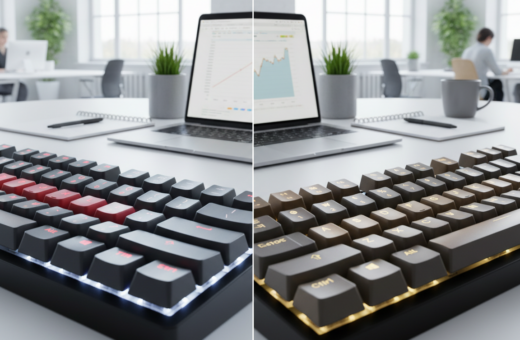
ABS keycaps deliver a brighter, higher-pitched clack that some users prefer for gaming and fast typing. Over time, ABS can develop a glossy sheen and slightly change acoustics.
The choice between dense PBT and sharper ABS usually comes down to whether someone values a “thocky” tone or a crisp, lively click.
- PBT stands out for long-term durability and stable surface feel.
- ABS offers sharp acoustic feedback but may need more cleaning to keep a matte finish.
- Double-shot legends improve longevity and provide a consistent sound profile.
How Profile and Thickness Influence Your Daily Experience
How tall and thick a cap sits alters reach, rebound, and the tone your keyboard produces. Small changes in profile affect posture and can ease strain during long sessions.
The Role of Keycap Height
Cherry profile keycaps are shorter and more ergonomic. They place fingers closer to the switches, which often yields a softer, quieter sound and faster travel between rows.
SA profile caps are taller and more curved. That extra height boosts resonance and creates a fuller, deeper note. Many users notice a richer acoustic signature with these profiles.
OEM profile keycaps sit in the middle. They offer a balanced tone and comfort that fits most layouts and keyboards.
- The profile of your keycaps shifts finger angle during long sessions, which affects fatigue.
- Thicker caps deliver a deeper, richer sound; thinner ones are brighter and sharper.
- For gaming, height and shape matter for speed and consistent accuracy across the board.
Understanding profiles and wall thickness helps users match pbt or abs keycaps to their preferred feel and overall typing experience on a mechanical keyboard.
Comparing Plastic Versus Premium Material Options
Beyond standard plastics, several premium choices change the overall experience of a keyboard. These options offer distinct weight, resonance, and surface texture that affect long sessions and gaming alike.
Ceramic and Metal Characteristics
Ceramic caps made from alumina have 1.5–2 mm walls and weigh about 4g for alphas. They feel solid and resist impact, though they add noticeable weight to the set.
Stainless steel caps use a metal stem holder and engraved legends. They produce a pingy tone and never lose their markings over time.
The Versatility of POM
POM keycaps are dense and offer a softer, smoother touch that sits between pbt and abs. They are praised for a balanced feel and trusted durability in many profiles.
Rubber for Grip and Dampening
Rubber-topped keys use a transparent abs base with a textured cover. This design improves grip and reduces high-pitched sounds, which many gamers prefer.
“Premium options balance look, durability, and acoustic character in ways plastic alone cannot.”
- Ceramic: impact-resistant, heavier, premium look.
- Metal: unique tone, engraved legends, long-lasting.
- POM: dense, versatile, soft feel.
- Rubber: superior grip, sound dampening for gaming.
Fine-Tuning Your Setup for Long-Term Ergonomics
Small ergonomic tweaks can turn a good keyboard into one that feels effortless after hours of work. Adjust the angle and height of your keys so fingers land naturally. This reduces strain during long sessions.
Choose switches that match how a user presses and pair them with a compatible profile. A lower profile shortens travel and eases reach. Taller profiles can improve posture for some users.
POM keycaps and similar options offer a grippy surface that helps fingers stay centered. That grip can cut fatigue over time and keep each stroke consistent during gaming or work.
- Adjust tilt and height to fit wrist angle.
- Match switches with your preferred profile and shape.
- Use a wrist rest and pick keycap profiles that suit finger travel.
- Clean regularly and check grip to keep the keyboard consistent.
“Small, intentional setup changes make long sessions far more comfortable.”
Conclusion
Selecting the right cap set shapes both the sound your keyboard makes and how your hands feel after hours at the desk. This guide helps users weigh pbt and abs keycaps alongside options like pom keycaps and metal or rubber tops.
Balance profile, thickness, and durability to match personal needs. A good profile reduces reach and fatigue. Thicker caps deepen tone while thinner ones stay bright.
Whether someone wants a “thocky” tone or a crisp clack, the right choice improves the typing experience and gaming sessions. Investing in quality keycaps is a small change with lasting payoff.