Remote work has transformed the modern office and brought new demands to any shared space. Eight in ten employees report at least one issue with their workspace environment, and small distractions can derail an entire day.
Simple changes can deliver big gains. Acoustic panels, portable partitions and thoughtful furniture create focused zones without costly renovations. These solutions help manage sound, protect privacy, and make it easier to take calls or host meetings.
Practical items like headphones from Bose or compact pods and booths let teams keep momentum. Design tweaks — glass dividers, wall screens, or a clear layout — give people a reliable way to reduce noise and interruptions.
In short: smart accessories and small changes can preserve peace, boost productivity, and keep work flowing even when many people share the same areas.
Assessing Your Current Workspace Noise Levels
Begin with a simple audit to learn where noise most affects productivity in the space. A quick sound check helps identify peak times and the paths sound uses across the office.
Collect basic data. Use a phone app or a meter to log decibel levels during a typical workday. Track traffic, loud conversations, and when phone calls spike.
Why it matters: 54% of employees name noise as their top complaint in modern offices. And 8 in 10 employees report at least one issue with their environment, so knowing patterns is vital.
- Map where sound travels most freely before buying pods or furniture.
- Note specific areas where phone calls or group talks reduce focus.
- Consider a professional audit to see how sound affects privacy and workspace layout.
With this evidence, teams can choose targeted solutions for zones that need protection from distractions and maintain steady productivity.
Implementing a Shared Room Office Setup Quiet Environment
Practical changes can split a busy area into calm zones fast. Portable elements and smart layout choices let teams protect privacy and keep sound from traveling across work areas. Studies show employees score 66% higher on cognitive tasks in quieter environments, so small moves pay off.
Portable Office Partitions
Mobile partitions allow instant division without permanent wall renovations. They create privacy for phone calls and meetings and limit sound paths between desks.
Modular folding partitions are flexible. Teams can change their layout in seconds to form private zones or a single open area as needed.
Strategic Furniture Placement
Use tall bookshelves, acoustic screens, or back-to-back desks to block noise and define work zones. This approach uses existing furniture to shape focused spaces.
- Place desks back-to-back to reduce direct distractions.
- Combine panels or booths with shelving to create a meeting zone.
- Position screens near walls to stop sound reflection.
For more practical tips, see these tips for a quiet shared office.
Utilizing Acoustic Treatments to Dampen Sound
Acoustic choices can make a dramatic difference in how people hear and focus across busy work areas.
Soft surface integration is the first step. Hard materials like glass and concrete reflect sound and raise noise levels. Adding carpet tiles, curtains, or upholstered seating absorbs those reflections.
Install ceiling baffles or wall-mounted panels to reduce echo where phone calls and meetings occur. These treatments create a more controlled environment for employees to perform their work.
High-performance furniture also helps. Collections such as Kimball’s Narrate and Villa deliver sound control while preserving modern design. Fabric-wrapped partitions and pods form private zones that protect privacy and sustain focus.
- Use soft textiles to cut reverberation from glass and concrete.
- Place panels near walls and noisy areas for quick gains.
- Combine baffles, screens, and acoustic furniture for layered solutions.
These measures lower ambient noise, help teams concentrate, and make collaborative spaces more usable for meetings and focused work.
Establishing Behavioral Boundaries and Digital Solutions
Simple behavioral rules plus digital tools create a calmer environment for daily work. Teams benefit when expectations, tech, and flexible barriers work together to protect concentration.
Setting Clear Quiet Hours
Designated quiet hours set predictable windows when employees focus without interruptions. Post hours on a shared calendar and remind teams before midday meetings.
Example: reserve mornings for deep work and afternoons for collaborative meetings to reduce random distractions.
Leveraging Noise Canceling Technology
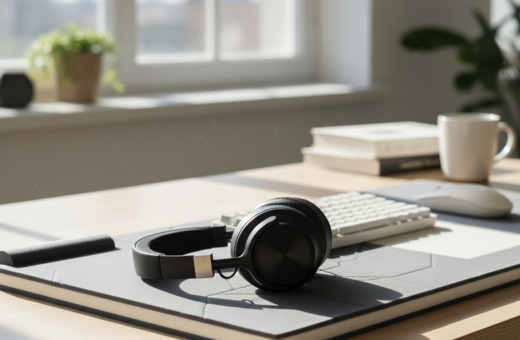
Encourage use of noise-canceling headphones so each person can create a private focus zone. These devices help with calls and heads-down tasks in busy areas.
Combine headphones with physical partitions like the SoundSorb 360 Folding Acoustical Partition, which can absorb up to 60% of sound waves for added privacy.
Managing Traffic Flow
Keep walkways clear of desks, pods, and booths to limit interruptions from passersby. Simple traffic rules reduce foot noise and cut stray conversations near work zones.
- Direct paths to common areas to avoid crossing focused desks.
- Encourage phone calls in designated booths to shield other employees.
- Pair digital reminders with wall panels and partitions for layered protection.
By blending behavior, headphones, and modular partitions, teams protect focus and boost productivity. For evidence-based guidance, see research on environmental impacts.
Conclusion: Creating Your Ideal Remote Workspace
Transforming a busy area into a productive workspace takes small, intentional steps. Teams should pair Versare modular pods and acoustic panels with smart design choices to cut noise and protect privacy.
Simple moves—adding sound-dampening furniture, setting rules for phone calls, or placing booths near meeting areas—change how people focus. Whether in a large office or a compact room, these solutions help employees sustain concentration and wellness.
Experiment with layouts and small upgrades. The right blend of products and behavior delivers measurable gains in productivity and a lasting sense of peace quiet.