Customizing a mechanical keyboard can change how a person types and sees their layout. Small, handcrafted caps add visual cues and tactile points. They turn a plain board into a personal workspace.
Many enthusiasts report that a single artisan keycap can mark important keys and speed up day-to-day typing. It gives a clear, physical landmark for shortcuts and home-row keys.
This guide explores how these pieces influence comfort and layout visibility. It helps readers make an informed choice about which cap or set best fits their needs.
Whether one is a collector or a newcomer, understanding the tactile effect and visual contrast matters. The right keycap improves typing flow and enhances desk aesthetics without sacrificing function.
Understanding the Appeal of Artisan Keycaps
Unique toppers transform a plain keyboard into a focal point that guides a user’s fingers at a glance. These small additions serve as practical landmarks and decorative accents at the same time.
Each handcrafted piece often shows a one-off sculpt and layered colors that mass-produced sets rarely match. Makers spend hours refining a single keycap so the shape, texture, and hue stand out on the board.
Collectors treat these pieces like tiny sculptures. The varied designs and artistic style let users express taste while improving the visual look of a workspace.
- Distinct design: intricate details give each cap character.
- Craft time: long shaping and painting create depth and color.
- Exclusivity: no two pieces are exactly the same, adding value for collectors.
How Artisan Keycaps Usability Enhances Your Typing Experience
Small, sculpted toppers can change how fingers move across a keyboard, adding clear tactile landmarks. These micro-sculptures sit in about 1.5 cubic centimeters, so they fit standard mechanical keyboards without crowding nearby switches.
Ergonomic Benefits
The raised shape guides finger placement and reduces drift during long sessions. Players and typists report faster recovery after a missed stroke, especially in intense gaming moments.
Resin construction gives a firmer contact than typical plastic, which improves the perceived feel and can lower finger fatigue.
Visual Cues for Key Identification
Unique sculpt and color act as visual beacons. Users find it easier to spot modifier keys and hotkeys without breaking focus.
“A single standout cap becomes a reliable reference point during long typing sessions.”
- Faster targeting: quick glance finds the right key.
- Fewer errors: distinct designs reduce mispresses.
- Personal layout: one or two caps can map shortcuts to memory.
Comparing Handcrafted Artistry with Mass Production
The difference between handcrafted and factory-made caps shows up in detail, time, and variation. Small-batch makers use a layered sculpt and careful casting to create depth that factory methods often flatten.
Resin casting for complex pieces can require up to 13 separate shots and more than eight hours to finish a single batch. That labor creates subtle shifts in colors and texture across a set.
By contrast, injection molding churns out uniform parts fast. Mass-produced keycaps favor consistency and scale over one-off expression.
“The Hirosart x Bosch collaboration produced 4,000 custom caps while keeping high standards, showing quality can scale with care.”
- Detail: hand-sculpted elements add tactile landmarks.
- Variation: slight casting shifts become part of the art.
- Production time: studio work takes hours versus minutes in a factory.
For buyers, the choice is practical: select the set that matches desired feel and visual priority for a keyboard and daily workflow.
The Role of Materials in Keycap Longevity
Material choice shapes how long a custom cap stays useful and how it feels under the finger. Different materials demand different care and deliver distinct surface wear over time.
Resin Durability
Resin offers vivid sculpt and color options, and artists use creative casting to get complex looks. It can show surface scratches and may yellow slightly with time if exposed to heat or sunlight.
Tip: light handling and a soft cloth clean will extend the finish and preserve the sculpt.
Metal Weight Considerations
Aluminum and other metal options add weight and near‑indestructible longevity. Metal caps keep their finish longer than plastic and resist impact and heat.
They change the feel of a board, shifting balance and offering a different tactile feedback during long sessions.
Wood and Clay Fragility
Wood and clay deliver unique texture and color, but they need careful handling. These materials chip or absorb oils faster than PBT or metal.
PBT plastic remains a top reference for durability, holding a matte finish for 5–10+ years, while ABS may show wear in 1–3 years and softens near 105°F.
- Resin: creative color and sculpt, prone to scratches.
- PBT: long‑lasting matte look.
- Metal: durable, heavier, long term investment.
- Wood/Clay: fragile, needs careful maintenance.
Evaluating Keycap Profiles for Better Layout Visibility
Different profiles change key height and curve, which affects sight lines and finger reach.
Choose a profile like Cherry for low, sculpted rows or SA for tall, sculpted bowls. Each option shifts how legends sit in view and how fingers travel across the keyboard.
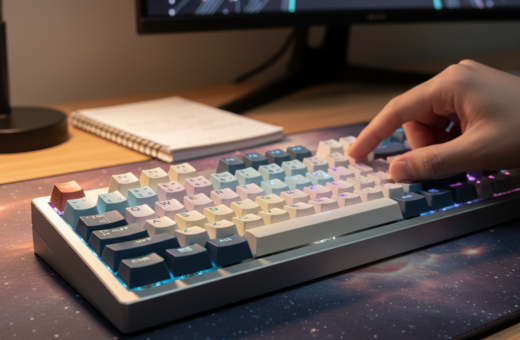
Mixing an artisan keycap with a standard set can add a tactile landmark for gaming or shortcuts. The unique sculpt helps find a key without looking, but it must not hide the legend.
Evaluate profiles by height, angle, and curve. Ensure artisan keycaps do not block adjacent legends. Consistent profiles across a set keep transitions predictable and protect typing flow.
“A balanced profile makes shortcuts easy to spot and keeps daily typing comfortable.”
- Test first: try sample caps before a full set swap.
- Match rows: keep similar row shapes to prevent awkward reaches.
- Prioritize visibility: avoid high sculptures that obscure nearby legends.
Sculpting Techniques and Their Impact on Tactile Feel
Detailed molding decisions shape the contact points a fingertip meets during every press. Studios move from a clay maquette to silicone molds in careful steps. Each step adds intent to the final touch.
The Influence of Surface Texture
Multi-shot resin casting lets artists trap layered colors and micro-texture inside a single cap. This approach creates ridges, hollows, and smooth flats that change the typing feel.
Some makers embed metal or wood accents to add weight and grip. Those mixed materials alter how a finger slides and how quickly it recovers after a miss.
A refined sculpt balances visual flair with comfort. When the surface matches the shape, the result is more deliberate feedback and a steadier typing experience.
- Clay modeling: defines the core sculpt and ergonomics.
- Multi-shot casting: builds internal detail and color depth.
- Finishing: polishes the surface to tune grip and feel.
“A carefully executed surface will make each keystroke feel intentional.”
For a broader comparison of studio vs factory work, see the artisan vs mass-produced keycaps guide.
Integrating Artisan Pieces into Your Daily Workflow
Placing a standout sculpt on a frequently used key can turn routine typing into a more focused, tactile ritual. Swapping a single cap is a low-effort change that delivers a visual anchor and a new typing feel.
Practical spots: many users choose the Escape key or a modifier so the piece becomes a reliable landmark. The Hot Keys Project “Raven” with its movable visor adds subtle interactivity that blends art and function.
When added to a mechanical keyboard, a well-chosen piece can brighten a workspace and spark short conversations in an office. It also helps the user find shortcuts faster and keeps hands oriented during long sessions.
- Balance: place the cap where it aids flow without blocking nearby legends.
- Testing: try one cap before changing a full set.
- Purpose: choose a sculpt that matches work or gaming needs.
“The right cap makes everyday tasks more enjoyable and purposeful.”
Managing Costs and Value for Collectors
Price often tracks production complexity and material choice. A limited-run piece that uses recycled aluminum or multi-shot casting will cost more because of labor and specialized tools.
The Typebeast sculpt by Kudos is a clear example: it required a 13-shot resin process and more than eight hours per batch. That time and effort helped the piece gain collector interest and secondary-market value.
- Rarity: limited raffles create demand and resale premiums.
- Materials: premium aluminum finishes raise base prices.
- Labor: long casting and finishing add real cost.
- Investment: some buyers treat purchases as functional art.
“A well-made cap can appreciate as much for its story as for its finish.”
To manage budget, buyers should set priorities. Pick one standout cap for a favorite key, test how it suits typing and gaming, then expand the set over time. This approach balances cost with long-term value.
Essential Maintenance for Resin and Metal Pieces
Routine care keeps resin and metal toppers looking sharp and performing well. A brief maintenance habit preserves the finish and safeguards typing feel.
Cleaning Resin and Clay
Use a soft-bristled brush to remove dust from the sculpt and fine crevices. Gentle brushing protects the resin casting and clay textures without scratching the surface.
Avoid harsh chemicals. Mild soap and lukewarm water work best. Rinse, then pat dry with a soft cloth and let the piece air-dry completely before reinstalling.
Polishing Metal Components
Metal caps, especially aluminum, need periodic polishing to prevent oxidation and dullness. Light metal polish or a microfiber cloth removes fingerprints and restores shine.
Polish sparingly to keep the original finish. After cleaning, make sure each cap is dry and cool before returning it to the board to protect underlying switches.
- Tip: handle pieces with clean hands to limit oils and reduce cleaning time.
- Tip: store spare caps in a soft pouch to guard the surface and sculpt from knocks.
- Tip: regular care keeps each artisan keycap a durable, attractive piece of the collection.
Selecting the Right Keycaps for Your Specific Needs
Prioritizing fit and profile makes the difference between a decorative cap and a useful one.
First, make sure the stem fits your mechanical keyboard. Clearance and stem type can block nearby keys if a sculpt sits too tall.
Next, balance durability with looks. A full PBT set gives long life, while one resin or metal artisan keycap adds visual contrast and a tactile landmark.
- Compatibility: verify stem and switch spacing before buying.
- Profiles: match the keycap profile to row height to keep reach predictable.
- Materials: pick resin, wood, or aluminum based on feel and longevity.
- Purpose: for gaming, keep standard caps on main keys and add one decorative cap on Escape or a modifier.
Tip: many users combine a mass-produced set with one or two artisan pieces to keep typing consistent while adding personality. Test a single cap first to confirm look, feel, and casting clearance before swapping a full set.
Avoiding Common Pitfalls When Customizing Your Board
Customizing a board without checking fit and profile often leads to awkward rows and frustrated typing.
Check the keycap profile first. Mismatched profiles create uneven surfaces that hurt reach and slow typing. Test samples or mock layouts before committing to a full set.
Handle resin pieces carefully. Resin stems can be more brittle than factory parts. Press straight and avoid lateral force when installing to protect the stem and switch.
Mind weight and switch rating. Heavy metal toppers change actuation feel and can stress springs on light switches. Match materials to switch strength, especially for gaming setups.
- Clearance: verify adjacent key space on compact keyboards to avoid interference.
- Designs: avoid overly tall sculptures that block nearby legends.
- Research: check materials and profiles before purchase to prevent poor fit.
“A quick compatibility check saves time and keeps a keyboard comfortable and reliable.”
For more buying tips and a deeper walkthrough, consult this complete guide to custom keycaps.
Conclusion
A single well‑chosen sculpt can turn a routine keyboard into a clearer, more personal workspace.
This guide shows how an artisan keycap can change layout visibility and the overall typing experience. Choosing the right keycap profile and material keeps reach predictable and preserves typing feel.
Mixing mass-produced keycaps with one or two studio pieces often gives the best balance of comfort, visibility, and style. Whether one prefers metal weight or resin detail, matching the keycap profile matters most for consistent performance.
Care and proper placement keep materials looking good and protect the keyboard over time. In the end, selecting an artisan keycap is a personal choice that celebrates both art and function.